MultiMix
The MultiMix project is exploring improving pasture resilience and animal productivity, while also investigating ways to mitigate greenhouse gas emissions in grazing systems.
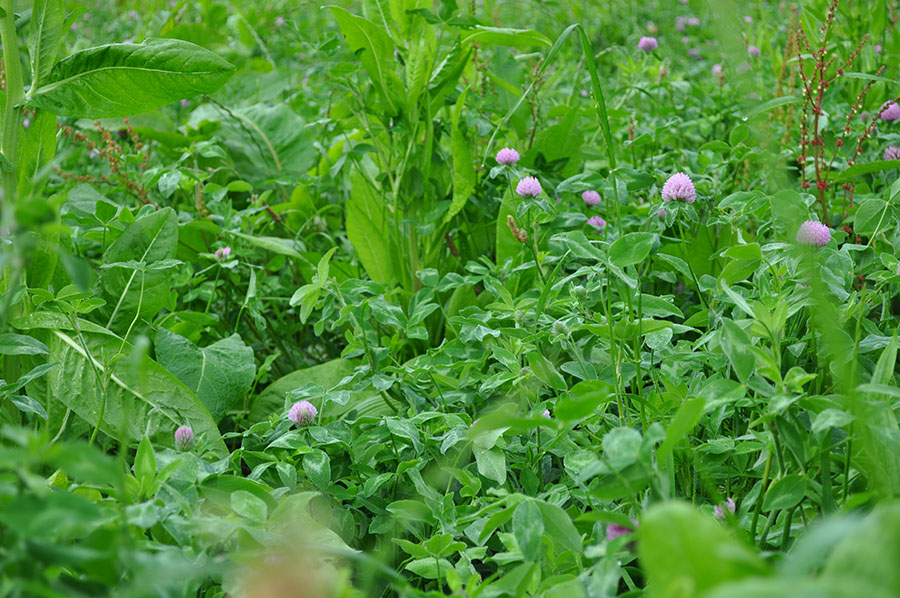
The project will investigate the effect of combining various plant groups (grasses, legumes and herbs) into a multispecies pasture mixture.
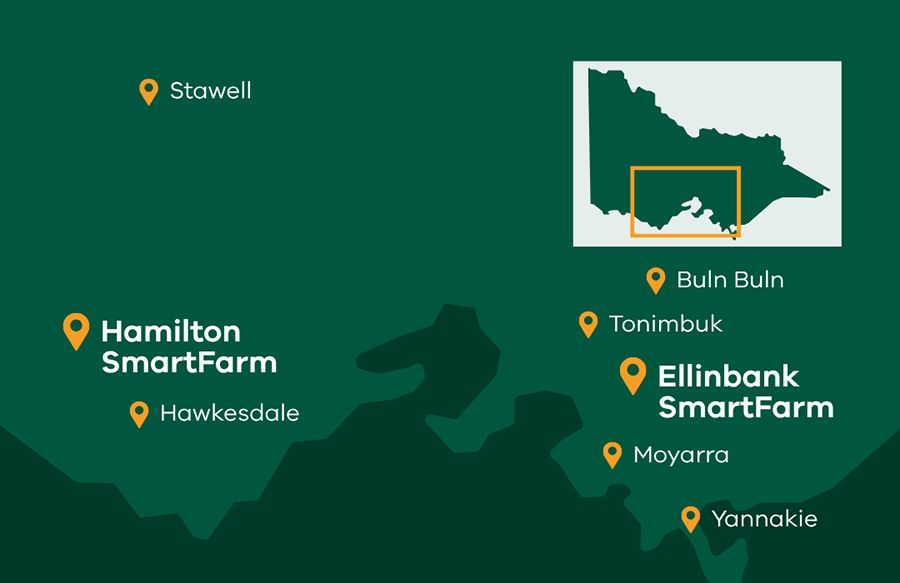
The 3 year project is based at our Hamilton SmartFarm.
Why we’re doing this
Perennial ryegrass (PRG) is a popular pasture type for sheep grazing in the southern regions of Australia. However, it requires nitrogen fertiliser to improve grass growth, and we have seen more in variable climatic conditions that reduce the productivity and persistence of PRG pastures.
In addition, grazing-based industries are working on ways to reduce emissions of methane, a potent greenhouse gas.
Similar pasture research conducted in the DairyFeedbase Resilient Forages project at the Ellinbank and Hamilton SmartFarms has shown that sowing multiple plant groups in pastures results in:
- greater annual yield, particularly in dry seasons, in comparison to traditional PRG pastures
- pasture herbs within those groups showing promise for reducing enteric methane production.
The MultiMix project aims to find pasture mixes that can:
- reduce the need for nitrogen fertiliser application
- have greater pasture persistence in more variable climates
- increase sheep productivity and improve health
- reduce the enteric methane produced by sheep.
About the project
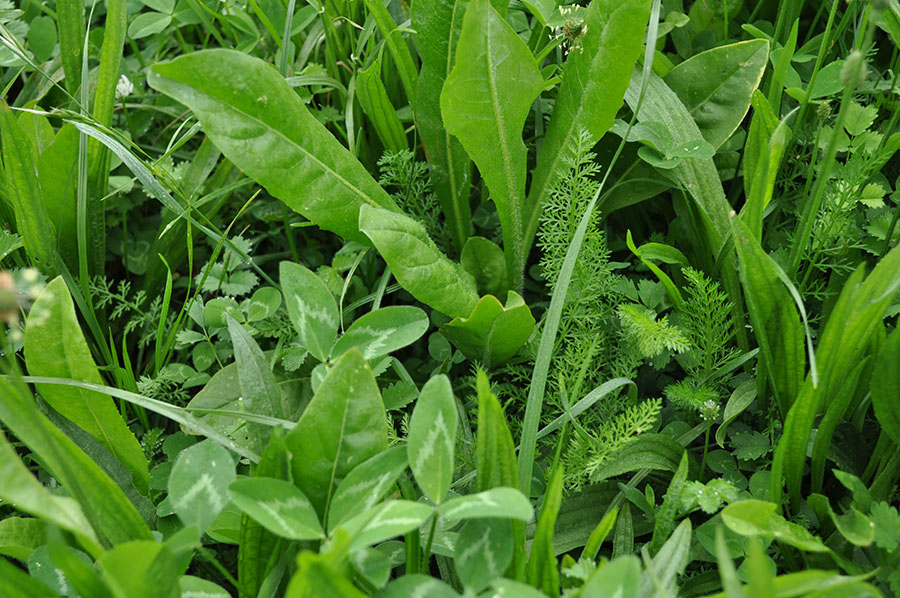
MultiMix will have pastures with variation in the ratio of plant groups (grasses, legumes and herbs – see Figure 2). Pasture treatment groups will be individually fenced and grazed by ewes and lambs.
The plant species have been chosen based on their suitability for a medium–high rainfall farming zone in the southern regions of Victoria following consultation from a producer advisory group. Legumes like sub-clover that fix nitrogen into the soil, and deep-rooted herbs such as chicory, which are more resilient in dry months, can be incorporated into traditional PRG pastures.
Legumes | Grasses | Herbs |
|---|---|---|
Sub-clover | Perennial rye grass | Chicory |
Arrow leaf clover | Cocksfoot | Yarrow |
White x Caucasian | Phalaris | Burnet |
Plantain |
What we will measure
Plant responses within the system:
- Growth rate through the establishment season and subsequent years
- Persistence over the lifetime of the project
- Soil health
- Nutritional value of the pasture treatment groups.
Animal responses to grazing multispecies pastures:
- Lamb growth and ewe body condition, methane emissions and worm egg counts
- Lamb carcass characteristics
The importance of MultiMix
The project aims to achieve:
- increased lamb productivity and reduced methane production
- reduced inputs with lower nitrogen fertiliser application
- increased pasture longevity and reduced feed gaps
- improved soil health and increased soil organic matter.
Sheep producers – get involved
This project is designed for sheep production systems in temperate climates.
The project aims to understand which plant groups should be sown together to create a pasture best suited for this environment, while maintaining or improving sheep productivity and reducing methane emissions.
Throughout the project, farmers can:
- attend field days at the Hamilton SmartFarm
- visit the Agriculture Victoria events page to find out what’s on
- visit the MultiMix team at Sheepvention each year
- read fact sheets with key findings and tips.
Project partners
The MultiMix research project has been funded by
- Agriculture Victoria
- Meat & Livestock Australia
- Zero Net Emissions Agriculture CRC (ZNECRC).
More information and feedback
For more information, please contact the project team at multimix@agriculture.vic.gov.au.
To have your say on the project, please fill out this survey.