Campylobacteriosis - how can it affect my farm this lambing?
Dr Frankie Collett (Rochester Vets)
Ovine Campylobacteriosis caused by Campylobacter fetus subsp fetus (the most common) and Campylobacter jejuni is an infectious bacterial abortion agent that can lead to ewe reproductive wastage through foetal reabsorption and abortions. It has been ranked as Australia’s most common disease that cause abortions in sheep. When first introduced it can lead to losses of up to 40% of lambs.
Symptoms can be silent with carrier ewes (ewes that have been infected in the past) intermittently shedding the bacteria in their faeces without showing any signs of illness. Naïve ewes (that haven’t been exposed before) then ingest the bacteria when eating from the ground and become infected. Infected ewes that are pregnant will abort and shed the bacteria in large amounts in their aborted material which is a high risk for pasture contamination. Ewes that are not pregnant that become infected are thought to have an immune response without showing signs of illness.
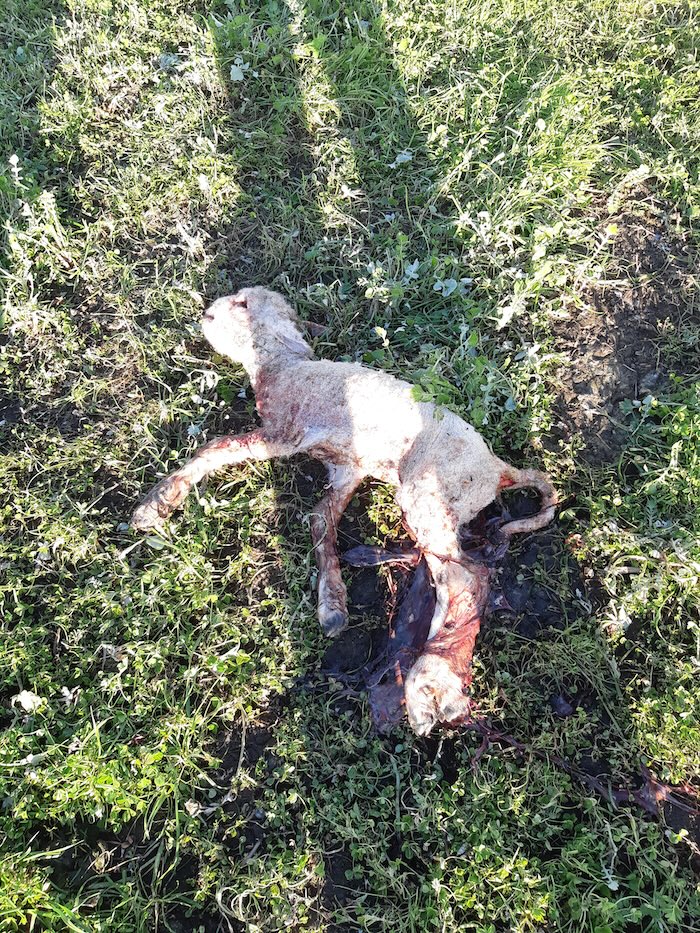
Husbandry and environmental conditions can increase the risk
- Maiden ewes/ewe lambs are at increased risk of becoming infected as they have had less time in their life to be exposed to the bacteria and thus may lack immunity.
- High stocking rates in paddocks with pregnant ewes and/or lambing paddocks can also increase the risk of exposure as animals will have increased pressure to graze closer to one another increasing the risk of ingestion. Similarly, ewes in containment pens are also at increased risk especially if hand feeding on the ground.
- Cool wet seasons also provide the right situations for spread as this allows the bacteria to survive.
- Ewes lambing in high rainfall zones are therefore also at higher risk.
How will I know if Campylobacteriosis is having an effect?
- You may have reduced scanning/lambing/marking percentages in comparison to previous years.
- A large difference in results between scanning and lamb marking data that indicates high lamb losses, making scanning a very important tool to use.
- There may be an increased number of weak/unviable lambs.
- In severe cases you may have abortion storms in the last 6 weeks pre-lambing (although they can occur earlier).
How can I reduce the impacts?
- Vaccinate maiden ewes/ewe lambs prior to joining (Coopers Ovilis CampyvaxTM). It is recommended to give 2 initial vaccinations to be effective prior to joining (always check labelled instructions for the most up to date information).
- Once the initial and booster vaccinations have been given, annual vaccinations can then be continued for adult ewes before joining. It is particularly important to do this for ewes who are at greater risk such as ewes in containment pens/high stocking rates/high rainfall areas.
- Manage maiden ewes/ewe lambs separately from older ewes from joining time until lambing has finished to help reduce the risk of exposure at a time when they could have foetal losses.
- Make sure to monitor your lambing ewes and if you have any concerns for abortions or reproduction losses, contact your local vet to investigate further.
What should I do if I start to see abortions?
- Ewes can abort for many different reasons including campylobacteriosis, salmonella and listeriosis. Therefore, having the correct diagnosis is crucial for prevention management. Contact your local vet to start the investigation.
- Some causes of abortions are zoonotic (infectious disease that can spread from animals to humans). These include Salmonella and Campylobacter jejuni. Therefore, avoid coming into direct contact with aborted lamb/fluid etc and always wear gloves, wash hands after contact, avoid skin/mucosa (eyes, mouth) and avoid altogether if you are immunocompromised or pregnant.
- Depending on the cause, removal of the ewe and abortive material (placenta, foetus) from the lambing paddock may be necessary to help reduce the spread of disease. Ewes can shed bacteria up to 6 weeks after aborting and the abortive material has a high bacteria load. However, doing this in a manner that considers risks of mismothering and reducing ewe movement through the infected area is vital.