Are you ready for fire season?
Ben Muller, Agriculture Recovery Officer, Wodonga
While many Victorian sheep producers will be focused on lambing, pasture growth and spring management, now is also the time to start preparing for the coming bushfire season. The decisions made in spring can make a significant difference when fire risk increases later in the year.
Recent years have reinforced the importance of having a clear and practical fire plan in place before fire danger ratings begin to rise. A well-prepared farm is more likely to protect livestock, infrastructure and business operations and recover more quickly if impacted by fire. Agriculture Victoria’s Fire Preparedness Toolkit provides a range of practical templates and checklists to help farmers develop or review their plans.
Every farming property is different, and fire preparedness should reflect the unique layout, assets and risks of each enterprise.
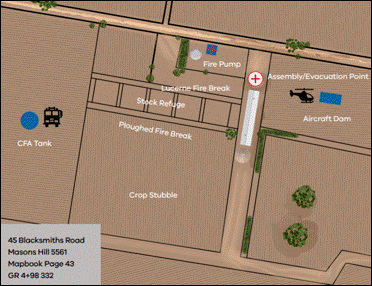
One of the most valuable tools is a detailed farm map that can be used by family members, staff and emergency services during an incident. This should identify key assets such as sheep yards, sheds, water points, access tracks, assembly areas, evacuation routes and stock refuge paddocks. Copies should be readily available and shared with everyone involved in the business.
Spring is also an ideal time to work through a fire preparedness checklist.
Key actions for sheep enterprises include:
- reviewing livestock management plans and identifying refuge paddocks with adequate water
- ensuring all sheep are correctly tagged and records are up to date
- checking fire-fighting units, pumps and extinguishers are serviced and operational
- maintaining machinery to reduce fire risk
- clearing vegetation and combustible material around homes, sheds and livestock handling facilities.
Fire Danger Ratings should be incorporated into farm planning and linked to specific actions. For example, they can be used as triggers for relocating stock, preparing equipment, restricting high-risk activities or implementing a leave-early plan. Producers should make it a habit to check daily fire danger forecasts and monitor warnings throughout the fire season.
An up-to-date emergency contact list is another essential component of preparedness. This should include emergency services, neighbours, veterinarians, contractors, local government contacts and family members. Keeping a copy in multiple locations can save valuable time during an emergency.
Preparing for bushfire is not a task to leave until summer. Taking practical steps now can reduce stress, improve decision-making during high-risk days and help protect livestock and farm assets when conditions deteriorate.
The Agriculture Victoria Fire Preparedness Toolkit, including downloadable checklists, farm mapping resources and action plan templates, is available on the Agriculture Victoria website.