Plant pest surveillance
Targeted plant pest surveillance is undertaken in Victoria to look for exotic plant pests and diseases to protect plant health, secure trade and manage outbreaks.
Surveillance objectives
The objective of surveillance depends on the goal and include:
- early detection – spotting new or exotic pests gives us the greatest opportunity for eradication or containment
- delimiting – to determine how far a new pest or disease has spread. This information informs our eradication or containment efforts
- monitoring – lets us know if management actions are working or if adjustments need to be made. Monitoring also helps to inform the ‘pest status’
- pest status – the ‘presence’ or ‘absence’ of a pest. It plays an important role in maintaining access to markets for producers. An ‘area of freedom’ claim is supported by our ‘monitoring’
Active responses
Delimiting and monitoring surveillance are generally reactive, occurring when a new exotic pest has been detected in the State. Victoria is currently actively responding to the following plant pests:
- Potato top-mop virus – a plant virus that affects potatoes
- Tomato potato psyllid – a tiny sap-sucking insect that is also a vector for zebra chip
- Tomato brown rugose fruit virus – a plant virus that affects tomato, capsicum and chillies
Early detection surveillance program
Early detection and pest status surveillance is proactive and ongoing.
Victoria currently has 4 programs that deliver a range of targeted surveillance programs to deliver early detection and pest status. These include:
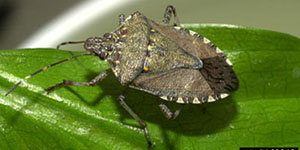
National Plant Health Surveillance Program
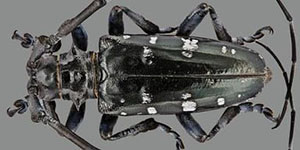
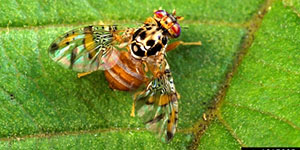
Victorian Exotic Fruit Fly Surveillance Program (VEFFSP)
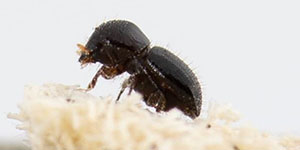
Polyphagous Shot Hole Borer (PSHB) Surveillance Program
CropSafe
Victoria also collaborates with several major agribusiness companies to deliver the CropSafe program. This program helps to prevent pests and diseases over the Victorian grain belt and involves over 200 experienced agronomists to provide confidence that grain crops are free of exotic pests.
Photo credits
NPHSP: Brown marmorated stink bug, Halyomorpha halys. David R Lance, USDA, APHIS, PPQ, bugwood.org
Forest Watch: Asian longhorn beetle, Anoplophora glabripennis. Steven Valley Oregon Department of Agriculture, bugwood.org
VEFFSP: Mediterranean fruit fly, Ceratitis capitata. Scott Bauer, bugwood.org
PSHB Surveillance Program: Polyphagous shot hole borer, Euwallacea fornicatus. Department of Primary Industries and Regional Development WA.