National Plant Health Surveillance Program
About the program
The National Plant Health Surveillance Program (NPHSP) looks for harmful plant pests and diseases that are not established in Australia. The program helps protect agriculture, horticulture, forestry and the environment by finding new threats as early as possible.
Early detection gives the best chance of controlling or eradicating a new pest before it spreads. Surveillance information also helps support trade by providing evidence about Australia's plant pest status.
To do this we conduct regular surveillance activities at high-risk areas across Victoria.
The NPHSP is a formal partnership between the Commonwealth, State and Territory governments. Agriculture Victoria collaborates with the relevant industries when running the program.
What pests are we looking for?
The program targets pests that could have major impacts on Australia's crops, forests, gardens and trade if they became established. These pests are selected through national biosecurity risk assessments.
Brown marmorated stink bug
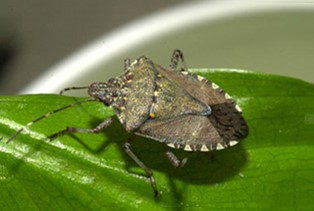
The brown marmorated stink bug (Figure 1) is a major plant pest, attacking over 300 types of fruit, ornamental trees, and vegetable crops. Over winter large numbers may shelter in and around human-made structures releasing a 'stink' when disturbed.
Spongy moth
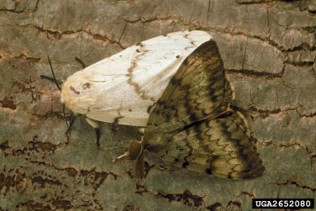
Spongy moths (Figure 2) as young caterpillars feed on more than 600 species of broadleaf trees causing tree damage and death.
Glassy-winged sharpshooter
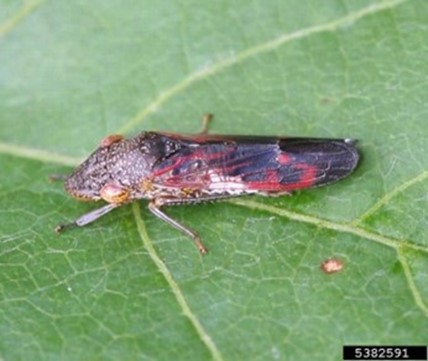
The glassy-winged sharpshooter (Figure 3) is an exotic, sap-sucking pest. It can attack hundreds of important crop species. It can also spread the bacterium that causes Xylella, which affects many important crops and ornamental plants.
Asian citrus psyllid
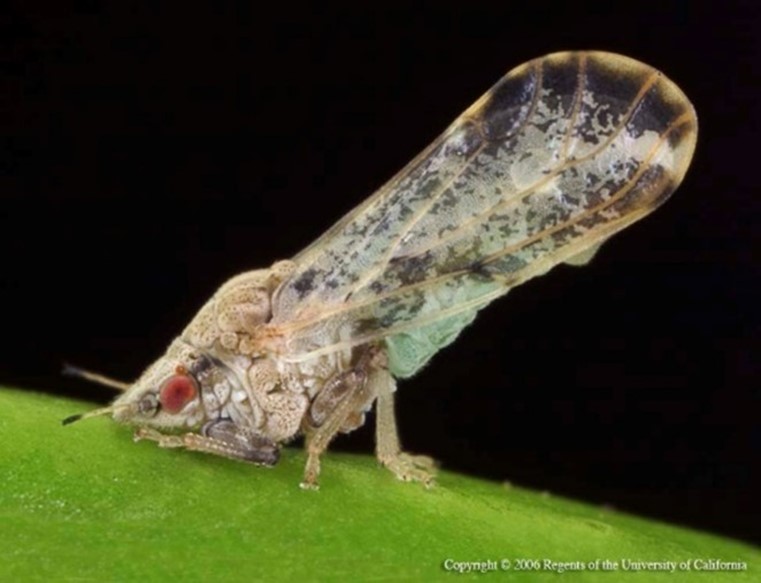
The Asian citrus psyllid (Figure 4) is a pest of citrus plants. It can damage leaves and cause fruits to drop. It can spread the bacterium that causes Huanglongbing (HTB), one of the most serious diseases affecting citrus trees worldwide.
Spotted wing drosophila
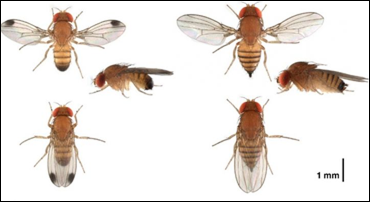
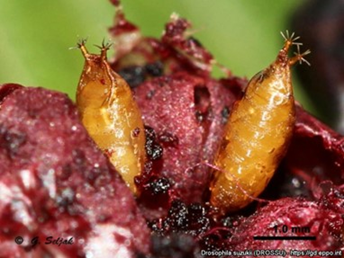
Adult female spotted wing drosophila (Figure 5) lay eggs in thin-skinned fruit including berries, stone fruit and grapes. The larvae cause damage to the fruit as they develop (Figure 6).
Citrus canker
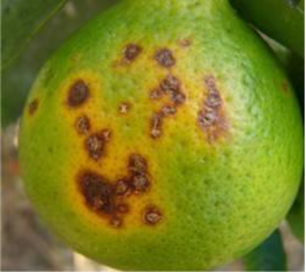
Citrus canker (Figure 7) is caused by a bacterium. Infection reduces plant growth and causes blemishes on fruit. It can only be controlled by destroying all susceptible plants.
How we do surveillance
Agriculture Victoria uses a combination of visual inspections and traps to look for exotic pests and diseases. Samples may be collected for identification when suspect pests or symptoms are found. Surveillance is carried out regularly at selected sites across Victoria.
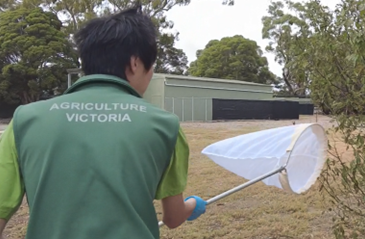
Visual surveillance methods include sweep-netting (Figure 8) and foliage beating. We also inspect plant tissues (leaves, stems and flowers).
Traps are designed to attract and capture specific insects, and different types are used depending on the pest we are looking for.
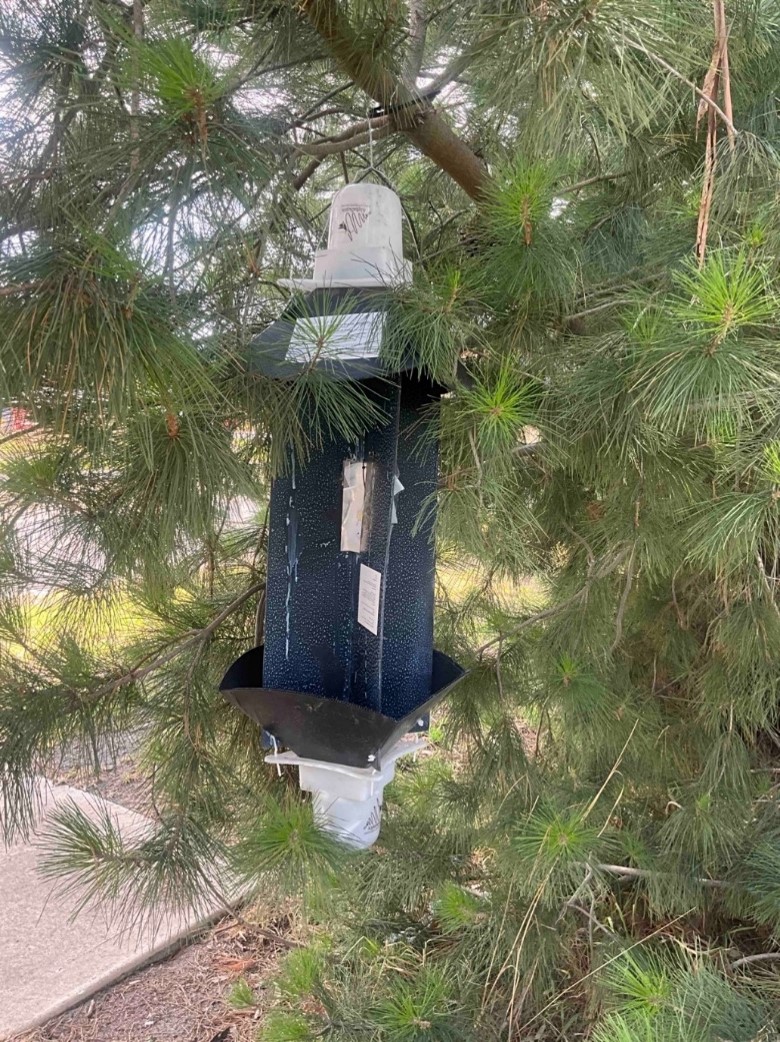
Cross-vane panel traps (Figure 9) are used to capture brown marmorated stink bug. The trap has a lure and collection buckets. The bottom bucket contains chemicals to preserve specimens.
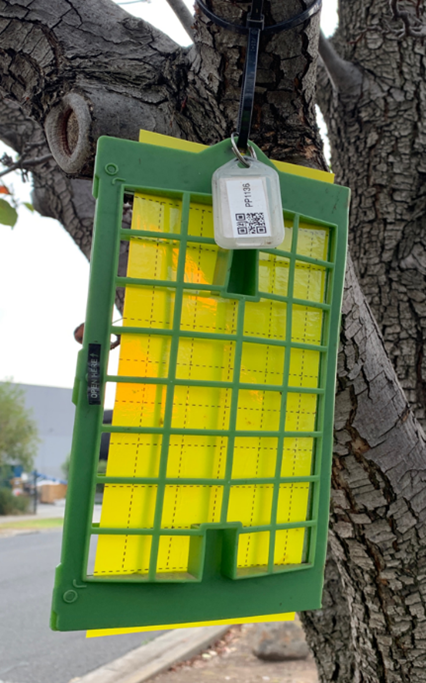
Sticky traps, also known as glue traps (Figure 10), attract and capture a range of exotic pests. They can be used with or without a lure. The sticky sheets are enclosed in a plastic cage to protect wildlife and pets. These traps are used for the surveillance of:
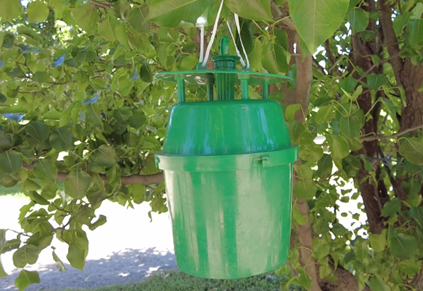
Bucket traps (Figure 11) are used to capture spongy moths. The trap uses a lure and an insecticide to capture flying adults
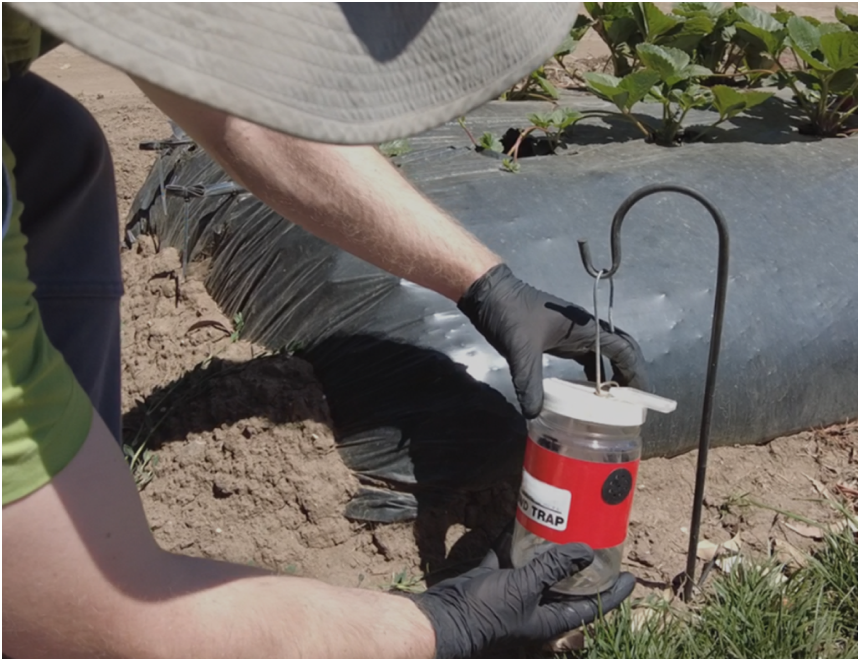
Jar traps (Figure 12) are used to capture spotted wing drosophila. This trap uses lures and red colouration to attract and capture specimens.
Chemicals
Traps use different chemicals, which may include:
- Lures to attract pests
- Fluids to collect and preserve specimens
- Insecticides to quickly and effectively knock down insects that enter the trap
- Coatings that make the trap surface slippery to improve capture
It is advisable not to touch the traps or contents due to the chemicals. Further details about the specific chemicals in use are detailed on the trap.
Contact the Agriculture Victoria Customer Contact Centre on 136 186 for further information about the traps.
For urgent advice about chemicals, contact a Poisons Information Centre on 13 11 26 (Australia Wide) or a doctor.
Reporting an unusual plant insect pest or disease
Report any unusual plant pest or disease immediately using our online reporting form or by calling the Exotic Plant Pest Hotline on 1800 084 881. Early reporting increases the chance of effective control and eradication.
Please take multiple good quality photos of the pests or damage to include in your report where possible, as this is essential for rapid pest and disease diagnosis and response.
Your report will be responded to by an experienced staff member, who may seek more information about the detection and explain next steps.
Report onlineImage credits
Figure 1: courtesy of David R Lance
Figure 2: US Dept of Agriculture, Animal and Plant Health Inspection Service, Plant Protection and Quarantine, Bugwood
Figure 3: Johnny N Dell, bugwood.org
Figure 4: Copyright 2006 University of Florida
Figure 5: Nicolas Gompel. University of Bonn, CC BY 4.0
Figure 6: G. Seljak, Agricultural and Forestry Chamber of Slovenia
Figure 7: DAFF Queensland
Figure 8 to 12: Agriculture Victoria