Case study: Safer livestock handling pays off with AgTech
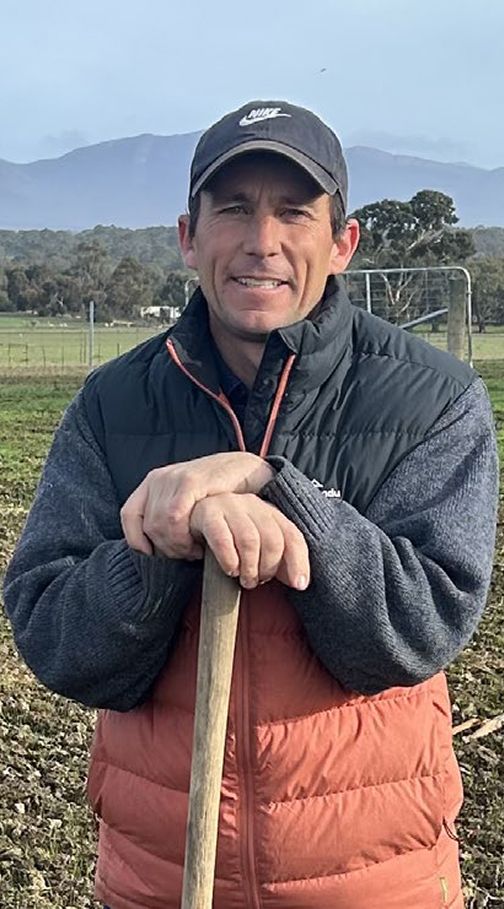
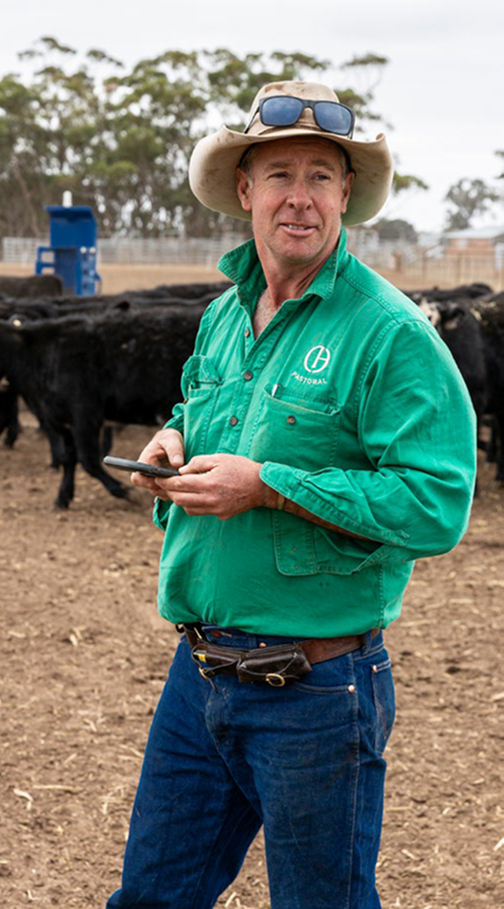 Meet Tom Whinney and Tim Gubbins, Victorian livestock producers. We explore how they’ve adopted Optiweigh, an in-paddock weighing system.
Tim Gubbins runs a large cattle enterprise on 940-hectares at Ecklin South managing 1,800–3,500 head.
'Optiweigh reduces stress on the animals and makes things much safer for everyone involved.' - Tim Gubbins
Tom and Sarah Whinney from Chatsworth operate two properties (3,000 hectares total), combining cattle breeding, trading, and a prime lamb enterprise with 8,500 ewes.
'A healthy work-life balance is important for my family and for our team.' - Tom Whinney
Efficiency
- Reduced mustering and yarding.
- Cuts labour and vehicle costs.
Productivity
- Informs livestock sale planning and stock movement decisions.
- Minimises stress related animal weight losses.
- Early detection of animal health and production issues.
Safety
- Decreases time handling livestock, lowering farm injury risk and fatigue.
- Reduces stress for people.
Advantages
- Reduces risks from livestock handling, manual operations and fatigue.
- Time saved yarding livestock with Optiweigh.
- Less than 2 years Payback on Optiweigh.
Opportunity
The Optiweigh offered the opportunity for regular liveweight data without the need for time-consuming and labour-intensive mustering and yarding. By consistent tracking of growth rates and weight changes, the Optiweigh helps them assess the effectiveness of paddock rotations, nutrition strategies and management decisions. Reducing the frequency of mustering and yarding reduces the animal-handling risks for farm workers and also minimises stress-related weight loss for animals, which supports productivity.
Tom Whinney believes people are the greatest asset on their farm, which is why they strive to improve farm safety.
Tom holds a ‘toolbox’ meeting with staff at the beginning of every week that includes consultation with staff on farm safety.
While all staff are trained in low stress livestock handling, investing in the Optiweigh was a strategic decision to reduce the time handling cattle and lower injury risk. The time saved means staff can spend more time ‘educating’ the young cattle, making them quieter and easier to handle.
Technology
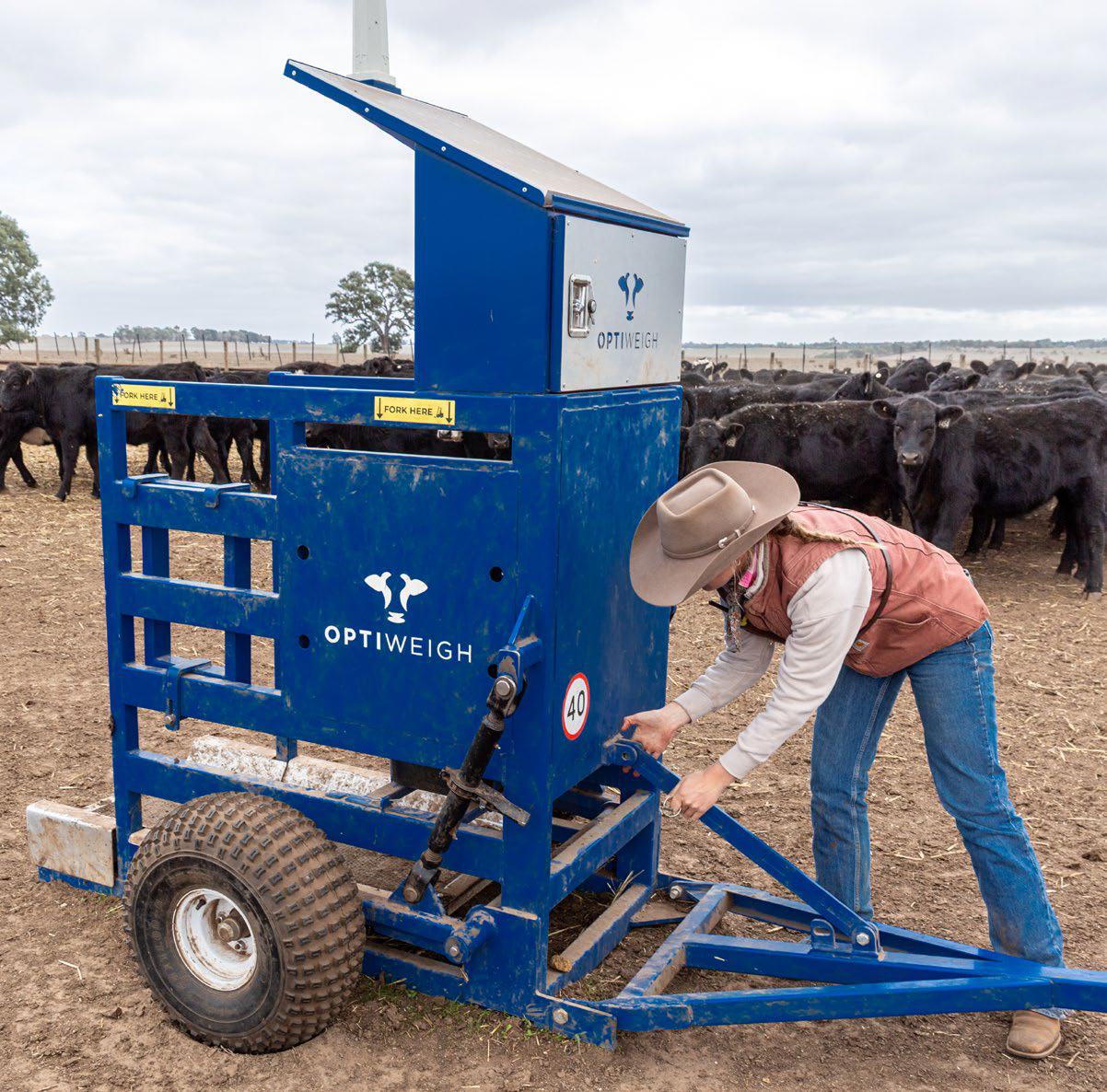
Optiweigh is an in-paddock weighing system where animals (cattle or sheep) voluntarily stand on the weighing unit with a supplement block acting as an attractant. The Optiweigh unit records the weights against the animals electronic ID and provides real-time data to the cloud. Farmers can access key metrics (average mob weight, average daily weight gain, and weight distribution), on a mobile device or access more detailed information via the website. Optiweigh analytics can be integrated into other livestock management systems.
'The Optiweigh is a great fit for our farm with productivity gains as well as minimising handling risks.' – Tom
'The Optiweigh saves me time and delivers lower stress with better business returns.' – Tim
Optiweigh (cattle version)
- Unit cost: $17,500.
- Annual subscription: around $240 (includes satellite connection).
- Lifespan: approx. 10 years (will vary by attractant used). 2 year guarantee.
Outcome
Both Tim Gubbins and Tom Whinney have seen good results from using Optiweigh. The system is easy to install and relocate between paddocks, eliminating the need for regular mustering and yarding, and delivers valuable liveweight data to support pasture and nutrition management. By monitoring weight trends, they can identify issues early and confidently forward-sell cattle at optimal weights.
For Tim Gubbins and Tom Whinney, the shift to in-paddock weighing has helped streamline operations and improve productivity, all while saving time and enhancing farm safety for the team.
By reducing the need for regular yarding, both farmers and their teams have saved substantial labour hours, while also lowering the risk of stress and injury for both people and animals.
Weighing animals in-paddock, within their natural environment, helps minimise stress-induced behaviours and weight loss – leading to better welfare and improved performance. Both Tom and Tim estimate the avoided yardings save at least $20/head.
Improved efficiency and productivity
The investment cost of the Optiweigh unit was $17,500 plus GST with the annual subscription cost being around $240. There is also a consumable cost for the attractant. The direct benefits include savings on labour and vehicle costs, alongside the value of improved production.
The benefits for Tim Gubbin's enterprise are valued at around $30,000 per year.
This delivers a payback period for the Optiweigh of less than one year.
For Tom Whinney’s enterprise, the direct benefits are valued at around $14,000 per year.
This delivers a payback period for the Optiweigh of less than 2 years.
Tim Gubbins
- Optiweigh paddock weights are within 5% of yard weights.
- Prior to Optiweigh: animals were yard weighed every 6–8 weeks.
Tom & Sarah Whinney
- At least 50% of individual animals visit the Optiweigh once or more times in a week.
- Weight loss from mustering/yardings is reduced by at least 50%.
In addition to the measurable benefits, the AgTech delivers valuable intangible benefits, including:
- better decision making
- peace of mind
- reduced stress for people working with animals
- less fatigue.
Farm safety benefits
Safety is a key benefit of using Optiweigh. Both Tim and Tom are highly aware of the risks involved in handling cattle, and Optiweigh has helped reduce those risks by limiting the need for workers to enter high-risk areas such as stock crushes and confined yard spaces. It also reduces the number of vehicle trips required for repeated mustering and yarding, lowering the chance of vehicle-related incidents.
Additionally, the time saved through automated in-paddock weighing contributes to better workload management and helps reduce fatigue – further enhancing safety across their operations.
Injuries from being bitten or struck by livestock are the leading cause of farm work-related hospital admissions in Victoria, accounting for around 20% of admissions. Of these injuries, around 59% involve cattle, 21% relate to horses, and 17% are due to sheep. *
Minimising close animal handling significantly reduces the risk of crush injuries, kicks, and other physical harm.
* Source: Victorian Injury Surveillance Unit (VISU).
Last Word
For both Tim and Tom, the standout advantages of Optiweigh are the reduced need for physically handling animals and the significant time savings.
'Optiweigh means we don’t need to handle the cattle nearly as often – and that’s a huge benefit. The unit itself is ridiculously simple to set up and move between mobs. With Optiweigh, we’ve freed up hours that used to be spent mustering and yarding. That extra time means we can focus on other parts of the farm – or take a well‑earned break.' – Tim
'Time is an asset! Everyone has the same amount of it, but how we use it makes all the difference. With dry conditions this season, our workload has increased, and the focus on working smarter and managing fatigue is more important than ever. A healthy work-life balance is important for my family and for our team, and this technology is helping us achieve that.' – Tom
Farmers should conduct their own analysis before investing in any technology. The case study is an independent example and is not an endorsement of the showcased AgTech over other products.