Case study: Smart remote monitoring: productivity and peace of mind
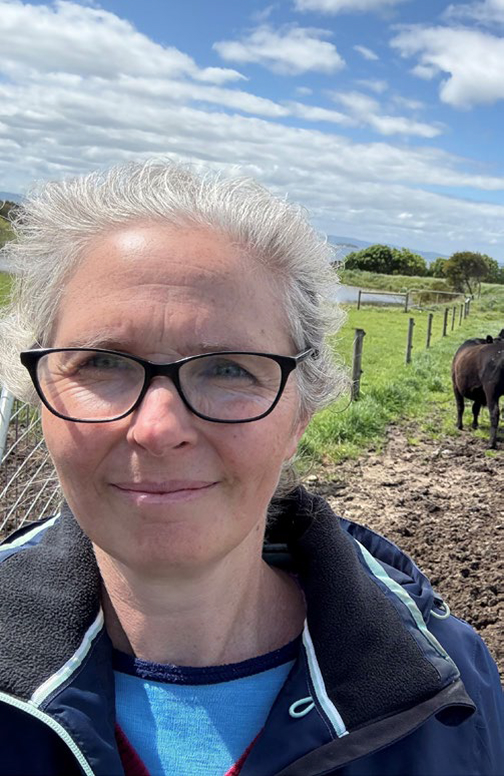
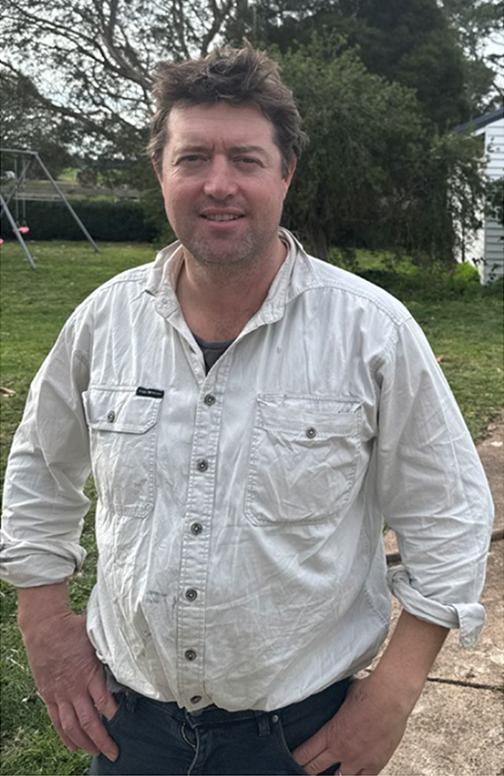 Meet James Whale and Carolyn Wilde, Victorian livestock producers. We explore how they’ve improved their operations by using water and fence remote monitoring devices.
James and Fiona Whale run a 1000-hectare sheep and cattle enterprise at Branxholme, with the help of one fulltime employee.
'The AgTech has saved us valuable time and helped grow our business.' – James Whale
Carolyn Wilde manages a 50-hectare property at Yanakie dedicated to fattening steers.
'The great benefit is knowing that there is water for animals... kids fed and watered, cattle fed and watered.' – Carolyn Wilde
Efficiency
- Time savings, reduced vehicle costs.
Productivity
- Frees up time for higher-value tasks and decision-making.
- Improves animal welfare and productivity.
Safety
- Reduces quad bike and vehicle use.
- Reduces fatigue and stress.
Advantages
- Reduces risks from livestock operations, vehicle use, and fatigue.
- 50% of time saved checking fences, tanks and troughs.
- Less than one year payback on monitoring devices.
Opportunity
Efficient water and fence management is essential on livestock farms. Driving around to manually check water levels and electric fences can consume hours each week. Installing sensors with real-time alerts eliminates most routine inspections, saving farmers time, fuel, and vehicle wear - while ensuring animals always have clean water for better welfare and productivity. For Carolyn, reliable water is crucial – her new system also doses troughs with a supplement that helps cut livestock methane emissions.
Technology
Smart sensors make remote monitoring easy.
Water sensors can be fixed to a trough or tank and provide alerts when water levels change. Water sensor devices can also be portable as with the Farmo Water Rat. This device simply floats in any stock trough and so can be moved with livestock across paddocks. It can also be tethered inside a water tank. When water levels drop, the Water Rat has a tilt sensor which triggers a real-time alert. The Farmo app provides water usage graphs to help detect problems with troughs, water pumps and pipes.
Fence sensors send real-time status updates, so farmers only check fences when there’s a fault – saving time, labour, and travel costs.
'We would definitely need additional labour to run our business without the AgTech.' – James
'The trough monitor is simple but delivers quick wins—saving on time, travel costs and water losses.' – Carolyn
Water and fence sensors
- A Farmo Water Rat unit costs $545 plus a subscription of $8/device/month with a 1-year guarantee.
- A Farmo water tank monitor costs $545 plus a subscription of $10/device/month with a 1-year guarantee.
- A Farmo electric fence device costs $454 plus a subscription of $10/device/month with a 1-year guarantee.
- The subscription is discounted when the customer has multiple Farmo devices and the standard subscription reaches $50/month.
Outcome
James and Carolyn found the devices easy to install and are pleased with how the technology has performed. With water monitors, they can gauge water usage and know when tanks or troughs are filling or full – helpful for diagnosing leaks and ensuring livestock always have water.
Overall, adopting the devices has improved productivity, saved time, and enhanced safety for both farmers.
- For Carolyn, remote visibility of water levels with the Water Rat means fewer unnecessary trips. This saves her at least 46 hours over the year.
- For James, about 3 hours a week is saved on inspecting electric fences. Having fully working electric fences also means he doesn’t have to separate mixed-up mobs in the paddock or muster mobs off the road. There’s a further 3 hours a week saved between December and March on checking water tank levels.
Improved efficiency and productivity
The investment cost of the devices for James was $3,450 plus GST, plus a subscription cost.
For Carolyn, the cost for the Water Rat was $545 plus GST, plus a subscription cost.
The direct benefits include labour and vehicle cost savings plus reduced water losses.
The benefits for James Whales enterprise are valued at around $9,600 per year.
This delivers a payback period for the AgTech of less than 1 year.
For Carolyn Wilde’s enterprise, the benefits are valued at around $2,900 per year.
This delivers a payback period for the AgTech of less than 1 year.
Farm safety benefits
Safety is a key benefit of remote water and fence monitoring.
- Remote monitoring with automated sensors/alerts means fewer journeys and fence walks, along with less time spent on repetitive tasks such as checking water for livestock. This reduces stress and fatigue from constant manual checks, while cutting accident and injury risks linked to vehicle use and physical strain.
- Sensor data reveals recurring issues like voltage drops or trough failures, allowing farmers to redesign systems for reliability and safety.
- Fence monitoring devices also help prevent livestock escapes, reducing risks of road accidents and stock loss.
Transport injuries are ranked third in causes of farm work-related hospital admissions in Victoria, accounting for around 13% of admissions. Of these injuries, around 80% involve operating farm vehicles – mainly motorbikes, quad bikes, side-by-sides, tractors and other agricultural vehicles – with a further 14% involving horse riding. *
Technologies such as remote monitoring reduce the time using vehicles or mounted transport, helping to lower the risk of transport accidents, machinery hazards, and falls.
* Source: Victorian Injury Surveillance Unit (VISU).
Last Word
Both James and Carolyn treat farm safety seriously and don’t want fatigue to compromise decision-making or increase the risk of incidents. Both view the standout advantages of the AgTech as the reduced need for manual checks and the significant time savings, alongside less stress and the peace of mind knowing that animals are safe and have water.
'Our workload increased during drought, heightening our focus on working smarter and managing fatigue. With the AgTech, I now have more time to focus on important decisions and tackle other critical tasks. This means less stress, more family time, and a better work-life balance.' – James
'Remote monitoring is invaluable since I can’t be on-farm every day and it’s much safer than traveling in bad weather. With my water and fence devices, I check everything on my phone – saving time, fuel, and reducing stress. It’s one less thing to worry about, making it easier to balance family and farm life.' – Carolyn
Farmers should conduct their own analysis before investing in any technology. The case study is an independent example and is not an endorsement of the showcased AgTech over other products.