How to collect and photograph dead red imported fire ants (RIFA)
Safety guidelines
Red imported fire ants (RIFA; Solenopsis invicta) are very aggressive and when disturbed they will attempt to sting repeatedly. The stings are painful, producing a burning or itching sensation that can last up to an hour. If you suspect you’ve found RIFA, do not directly touch the ants or nests.
In extremely rare cases, stings can cause a severe and sometimes fatal allergic reaction (anaphylaxis). Seek medical attention if you show any sign of adverse reaction to stings. The National Fire Ant Eradication Program provides more information on How to treat fire ant stings.
Collecting RIFA
To safely collect red imported fire ants, follow these instructions:
- Wear clothing that completely covers your body.
- Put on latex or washing gloves and stand far from the nest.
- Gently prod the edge of the nest with a long stick.
- If they are fire ants, they will run up the stick.
- Spray the ants on the stick with a can of household insect spray and move away from the nest.
- Gently wipe the sprayed ants off the stick using a tissue.
- Spray the tissue again if the ants are still moving.
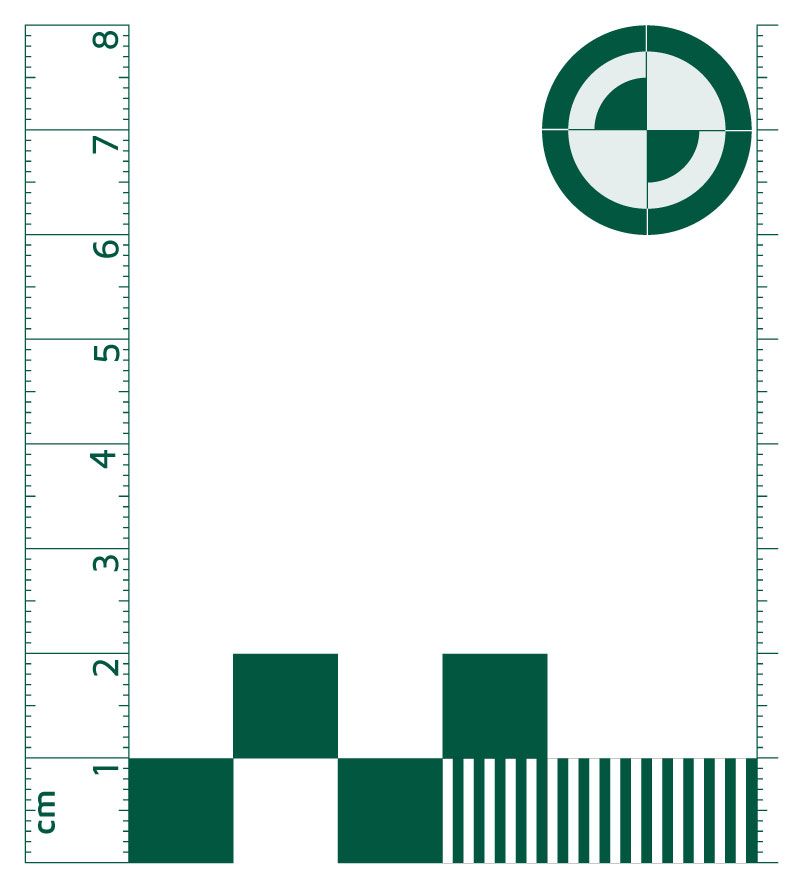
- Photograph the dead ants with a scale reference (Figure 1 – see next section for more information).
- Place the dead ants in a small plastic container or bag and keep them in the fridge. You will be given instructions on how to submit the sample if this is necessary.
- Do not spray the nest with insect spray, it will not kill the whole nest and will cause the ants to move and spread.
See NSW Biosecurity’s video detailing how to collect RIFA.
Photographing RIFA
Good quality images are necessary to identify and rule out RIFA or any invasive ant species. Images need to:
- be clear and in focus
- have a high resolution to allow the image to be enlarged to see finer details
- include the whole insect
- include a scale (see Figure 1 for a scale example) by using something of known size like a coin or a ruler, so the insect’s size can be measured.
For examples on how to photograph other insect pests and diseases, visit Taking good photos for a report.